Wholesale for Outdoor Retailers | Low MOQ | Sample Orders Available
🚚 Free Shipping on Orders $499+

Outdoor Retail Insights
What to stock. How to source. What’s changing.
Practical product ideas, sourcing guides, retail trends, and insights for independent outdoor businesses.


- Product & Assortment (10)
- Outdoor Scenarios (6)
- Retail Trends (4)
- Sourcing Guides (14)
- Private Label & Custom (4)
-
How to Refresh Your Outdoor Assortment for a New Season
Outdoor demand changes throughout the year. The exact pattern depends on the market, climate, and customer base, but seasonal planning can help retailers avoid last-minute purchasing decisions. Review the Existing Assortment Before adding new products, check: Identify Seasonal Opportunities Summer may emphasize: Other periods may emphasize: The important thing is to match the collection with…
-
How to Build an Outdoor Cross-Selling Strategy
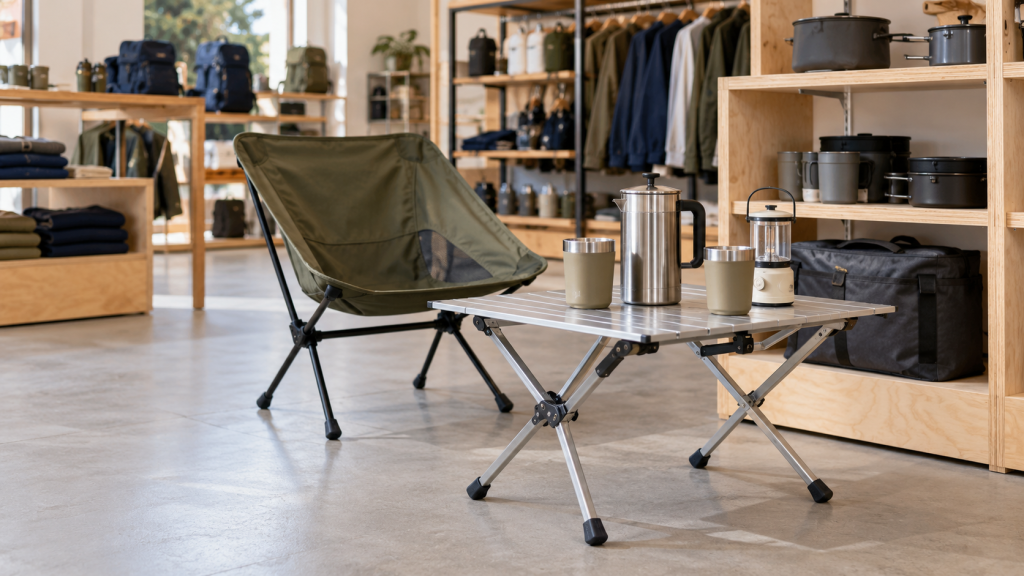
Cross-selling works best when the products are connected by a customer need. It should not feel like adding unrelated products to the shopping cart. Start With the Main Product Suppose the customer is buying a camping chair. Ask: What else makes this product more useful? Possible answers: The relationship is obvious. Build Product Chains Examples:…
-
How to Test a New Outdoor Product Before Scaling
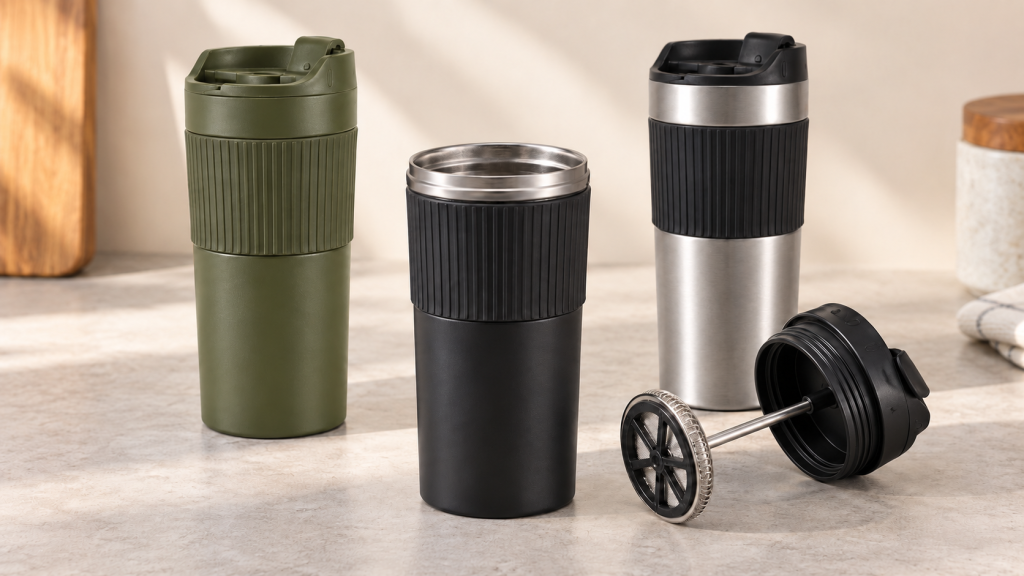
New products always involve uncertainty. The goal of testing is not to eliminate uncertainty completely. It is to learn enough to make a better next purchasing decision. Start With a Clear Hypothesis Ask: Why do I think customers will buy this? Possible reasons include: If the reason is unclear, the test itself becomes difficult to…
-
How to Launch a Small Outdoor Category in Your Store
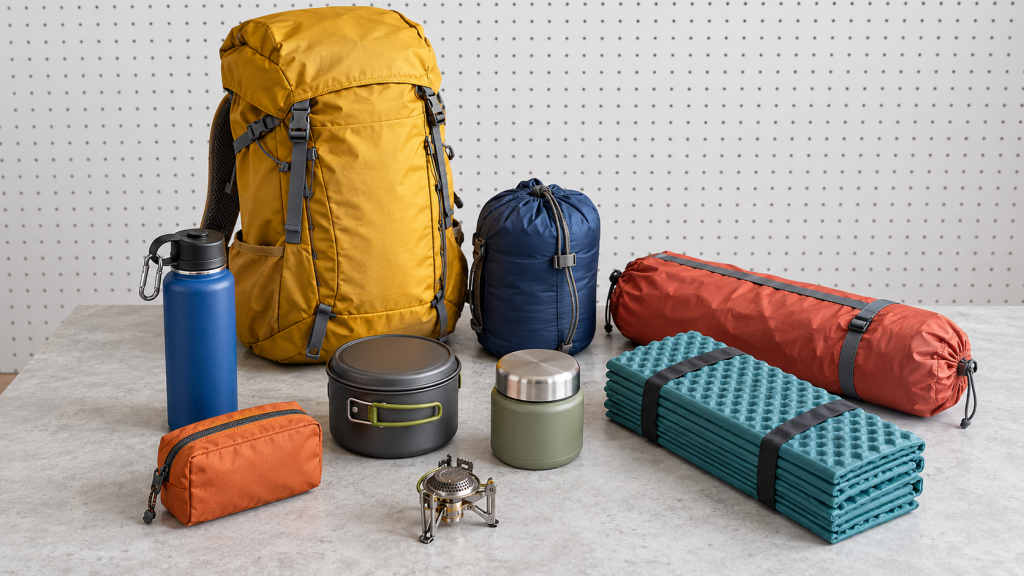
Launching a new outdoor category does not require a huge assortment. In many cases, starting smaller can make the category easier to understand and manage. Define the Customer Start with the customer you already have. Ask: Choose a Narrow Starting Theme Instead of “everything outdoors,” consider: A focused proposition is easier to merchandise. Select Core…
-
Outdoor Wholesale Ordering Checklist
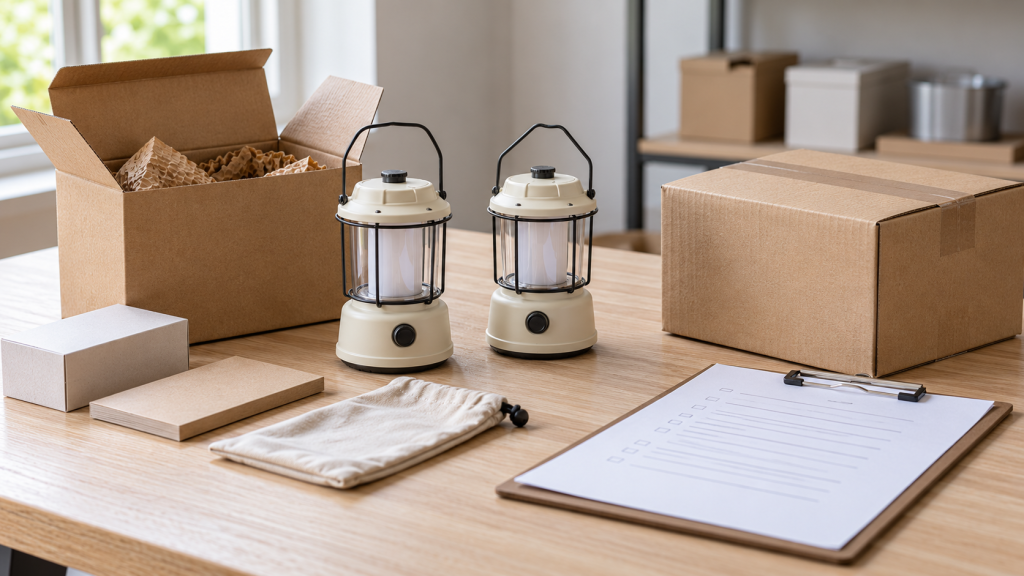
Wholesale ordering involves more than choosing products and entering quantities. A simple checklist can help small buyers avoid preventable problems. Before Choosing Products Confirm: Product Review Check: Commercial Review Confirm: Logistics Check: Quality Before larger orders, consider: Order Documentation Keep a record of: Before Reordering Review: A checklist is simple, but it helps turn purchasing…
-
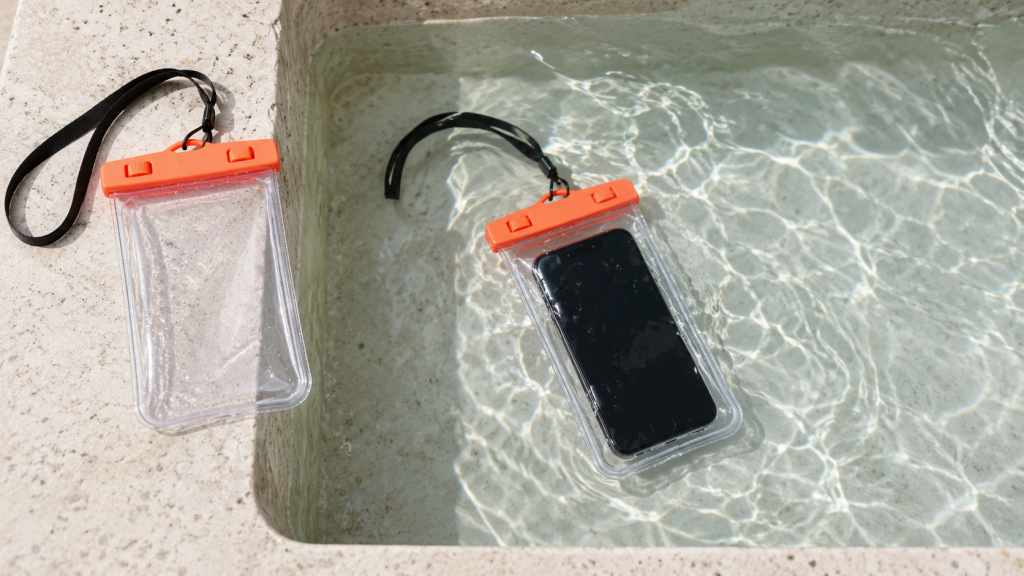
First Order to Reorder: A Smarter Buying Process
A first order should not be treated as the final decision. For a small retailer, it can be part of a learning cycle. Step 1: Select Choose products based on: Step 2: Sample Evaluate the physical product. Confirm whether the product matches expectations. Step 3: Test Place a manageable initial order when appropriate. The goal…
-

How to Evaluate an Outdoor Product Supplier
A supplier relationship is more than a single transaction. For a small retailer, reliability can be just as important as product price. Product Capability Ask: Communication Good communication matters particularly when something goes wrong. Evaluate whether the supplier: MOQ Flexibility Small businesses should understand whether the supplier can support smaller test orders. This can be…
-
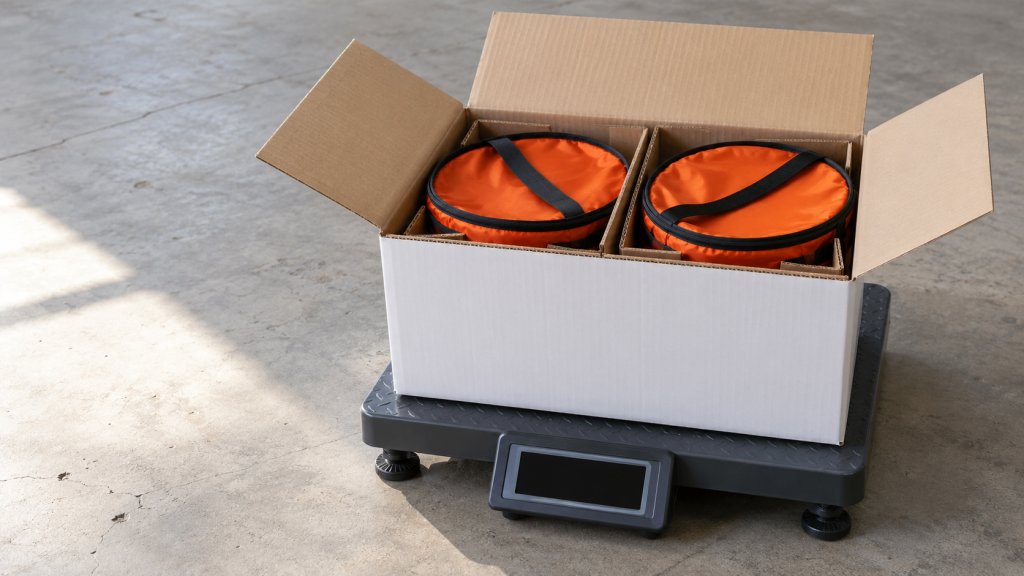
What Small-B Buyers Should Check Before a Wholesale Order
Placing a wholesale order is a commitment. Before confirming, buyers should review the product, commercial terms, logistics, and after-sales expectations. Product Confirm: Do not rely only on product names. Pricing Confirm: Understand what is included and what is not. MOQ Confirm whether MOQ applies: This can materially change the required quantity. Lead Time Ask: Do…
-
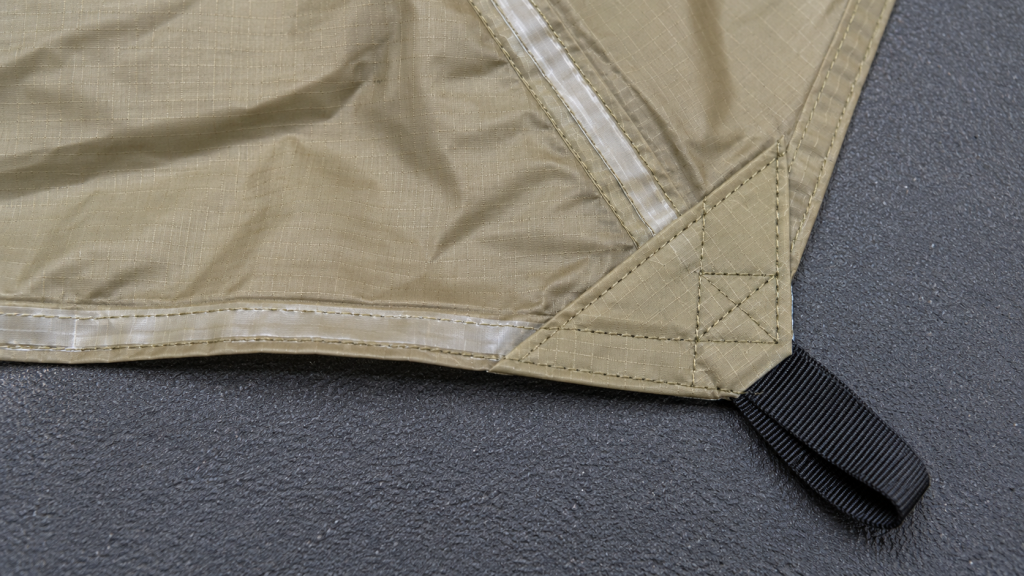
How to Evaluate an Outdoor Product Sample
A sample is more than a preview of product quality. For a small retailer, it is an opportunity to evaluate whether the product is commercially suitable. Check the First Impression Ask: Inspect Construction Look at: The exact checks depend on the product. Test the Actual User Experience Do not only inspect the product. Use it.…
-
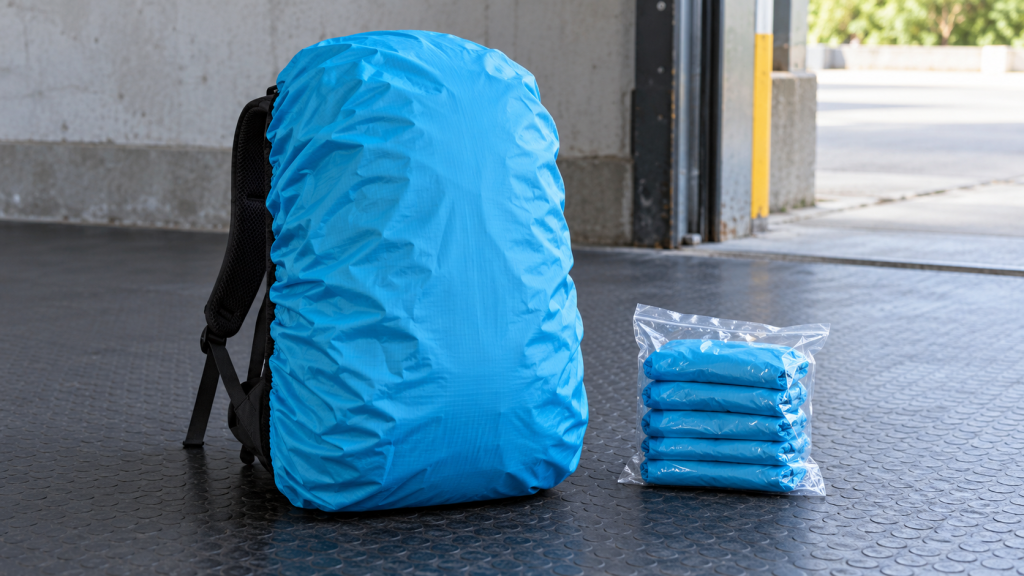
MOQ Explained: What Small Outdoor Buyers Should Know
MOQ means Minimum Order Quantity. For small B2B buyers, MOQ can have a major impact on product selection. A product may look attractive until the buyer discovers that the minimum order requires more inventory than the business can comfortably sell. Why Suppliers Use MOQ MOQ can help suppliers manage: The MOQ therefore exists for operational…