
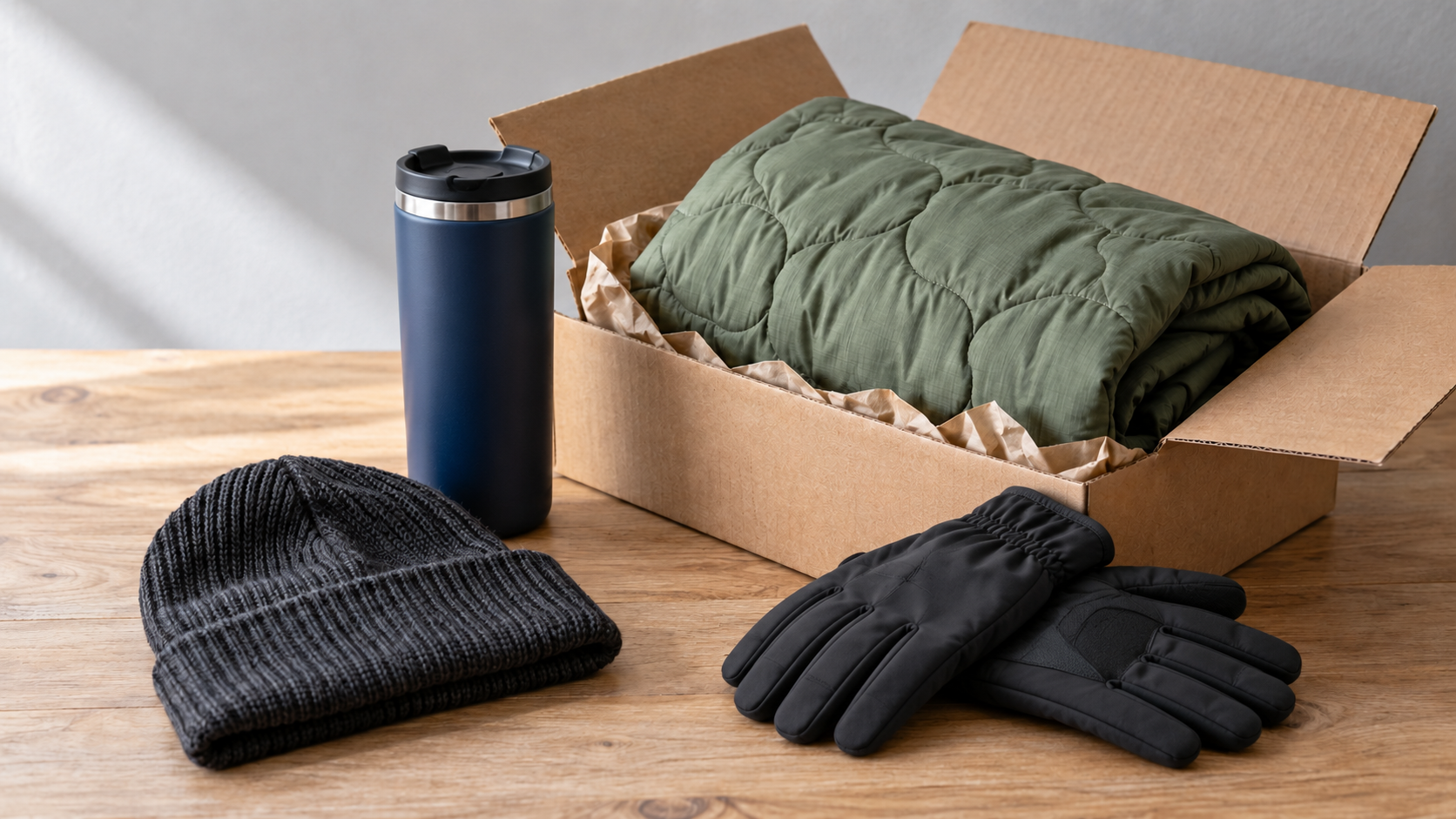
Outdoor demand changes throughout the year.
The exact pattern depends on the market, climate, and customer base, but seasonal planning can help retailers avoid last-minute purchasing decisions.
Review the Existing Assortment
Before adding new products, check:
- Best-performing categories
- Slow-moving products
- Products with repeated customer interest
- Inventory remaining
- Products that need replenishment
Identify Seasonal Opportunities
Summer may emphasize:
- Beach
- Hydration
- Backyard
- Travel
- Outdoor leisure
Other periods may emphasize:
- Camping
- Hiking
- Road trips
- Gifts
- Indoor/outdoor transition products
The important thing is to match the collection with customer activity.
Introduce New Products Carefully
A new season does not mean replacing the entire assortment.
Keep proven core products and introduce selected new products around them.
Plan Purchasing Earlier
Seasonal products may require:
- Longer lead times
- Earlier production
- Freight planning
- More careful MOQ management
Late purchasing can limit available options.
Learn From the Previous Season
Ask:
- What sold?
- What remained?
- What customers asked for?
- What arrived too late?
- Which products were difficult to replenish?
The answers should influence the next season.


Leave a Reply
You must be logged in to post a comment.