
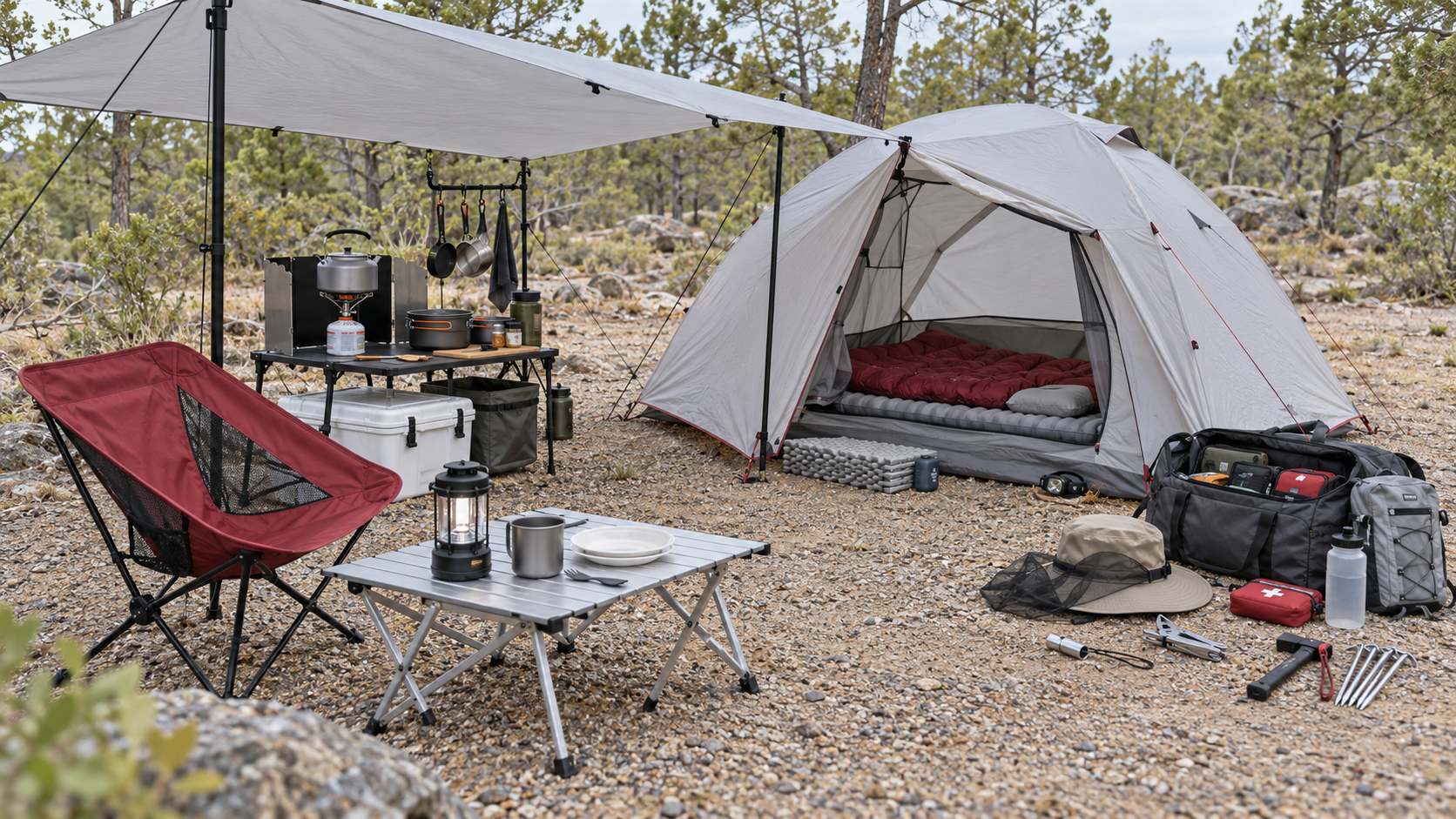
Starting an outdoor product category does not mean carrying every type of camping or outdoor product available in the market.
For a small retailer, a better approach is to build a focused selection around products that are easy to understand, useful across different situations, and capable of working together.
Here are 25 product types that can provide a practical starting point.
Camping & Outdoor Basics
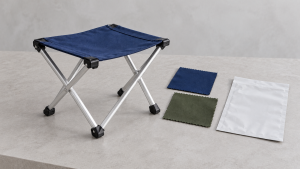
1. Camping Chairs
Camping chairs are a natural foundation for a camping assortment.
Look for products with clear differences in portability, comfort, size, or use case rather than simply adding multiple versions of the same chair.
2. Camping Tables
Portable tables complement chairs naturally and can also be used for cooking, dining, games, or general outdoor activities.
3. Outdoor Lighting
Portable lanterns and lights can serve camping, backyard living, road trips, emergencies, and other outdoor situations.
Their multi-use nature makes lighting particularly useful for small assortments.
4. Camping Cookware
Basic cookware can help create a complete camping experience without requiring a large kitchen-focused assortment.
5. Outdoor Cooking Accessories
Smaller cooking accessories can provide lower-commitment products that complement larger camping products.
Bags, Storage & Hydration
6. Outdoor Backpacks
Backpacks can support hiking, day trips, travel, cycling, and everyday outdoor use.
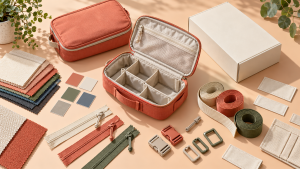
7. Outdoor Storage Bags
Storage products solve a simple problem: keeping outdoor equipment organized and transportable.
8. Travel Bags
Travel-oriented bags can extend an outdoor assortment beyond traditional camping.
9. Water Bottles
Hydration products are easy to understand and can work across hiking, cycling, camping, travel, and everyday use.
10. Portable Hydration Accessories
These can complement bottles and broader outdoor activities while providing additional cross-selling opportunities.
Outdoor Lifestyle
11. Hammocks
Hammocks connect camping with relaxation and backyard outdoor living.
12. Outdoor Seating Accessories
Smaller comfort products can help build an outdoor lifestyle assortment around larger seating products.
13. Outdoor Leisure Products
Products designed around relaxation can help retailers move from a narrow “camping equipment” positioning toward a broader outdoor lifestyle proposition.
Cycling & Active Outdoor
14. Cycling Bags
Compact cycling bags are useful for customers who need to carry essentials without using a large backpack.
15. Cycling Accessories
Functional accessories can provide a relatively accessible entry point into cycling.
16. Safety Accessories
Safety-oriented products can serve cycling, hiking, travel, and general outdoor activities.
Car Camping & Travel
17. Car Storage Products
Storage becomes particularly important when customers travel with multiple pieces of outdoor equipment.
18. Portable Travel Accessories
These products can support road trips, camping, vanlife, and general travel.
19. Compact Outdoor Tools
Multi-use tools can support several outdoor scenarios and may provide additional value through functionality.
Functional Accessories
20. Outdoor Utility Accessories
Small functional products can fill gaps in an assortment and provide natural add-on purchases.
21. Emergency & Preparedness Products
Certain compact safety and preparedness products can serve both outdoor and everyday contingency needs.
22. Weather Protection Accessories
Products that help customers deal with sun, rain, wind, or changing conditions can be relevant across multiple activities.
Apparel & Lifestyle
23. Outdoor Apparel
A small retailer does not necessarily need a large apparel collection. A focused selection of practical outdoor clothing can complement equipment and lifestyle products.
24. Outdoor Footwear
Footwear can be introduced selectively where it matches the retailer’s customer profile and operational capabilities.
25. Outdoor Gifts
Giftable outdoor products can help introduce the category to customers who are not necessarily dedicated outdoor enthusiasts.
How to Choose From the 25
Do not treat these 25 categories as a checklist.
Instead, ask:
- Which customers do I already serve?
- Which outdoor activities are relevant to them?
- Which products can serve more than one scenario?
- Which products are easy to explain?
- Which products can be cross-sold?
- Which products have manageable MOQ and logistics requirements?
For a small business, relevance is more important than assortment size.
A focused selection of products with clear roles can be more useful than a large catalog containing many overlapping products.

Leave a Reply
You must be logged in to post a comment.